Choosing the Right Dune Buggy in Dubai for Your Desert Trip
Understanding What Makes a Good Dune Buggy for Dubai
Dubai’s desert landscape offers some of the most impressive sand dunes in the world. Driving across them requires a vehicle built for the job. A dune buggy designed for these conditions handles loose sand, steep slopes, and sudden dips far better than a standard off-road vehicle. When you start looking at options, the first thing to notice is the difference between a recreational buggy and one made for serious dune riding. Recreational models often work well on flat sand or gentle slopes but struggle on the tall, soft dunes found in the deeper desert. A proper dune buggy for Dubai has a powerful engine, a lightweight frame, and wide tires that float on the sand rather than dig in.
Many visitors assume any buggy will do, but the wrong choice can turn a fun outing into a frustrating one. A buggy that lacks enough power will get stuck on the first steep dune. One with narrow tires will sink into soft patches. Understanding these fundamentals helps you pick a buggy that matches the terrain you plan to ride. The desert around Dubai has everything from flat sabkha plains to towering red dunes, so the vehicle you choose should suit the specific area you intend to explore.
Seating Configuration: Single-Seater vs. Two-Seater
One of the first decisions is how many seats you need. A single-seater buggy is built for one person. It is usually lighter, more agile, and can tackle tighter lines between dunes. These are great if you want full control and a more intense driving experience. However, they offer no space for a passenger, so you cannot share the experience with a friend or family member during the ride.
A two-seater buggy seats a driver and one passenger side by side or in a tandem arrangement. These models are heavier and slightly less nimble, but they let you enjoy the desert together. If you are traveling with a partner or a child old enough to ride safely, a two-seater makes sense. Keep in mind that the extra weight affects performance on soft dunes. Some two-seaters come with a higher horsepower engine to compensate, so check the specifications rather than assuming all two-seaters perform the same.
Engine Power and Type
The engine is the heart of any dune buggy. For Dubai’s dunes, look for a buggy with at least 800cc to 1000cc of engine displacement. Smaller engines may work on flat trails but will lack the torque needed to climb steep dunes. Petrol engines are common and offer a good balance of power and weight. Some buggies use diesel engines, which provide more torque but add weight. For most recreational riders, a petrol engine in the 800cc to 1000cc range is the sweet spot.
Pay attention to the cooling system as well. Desert heat puts extra strain on an engine. Air-cooled engines are simpler but can overheat during prolonged climbs. Liquid-cooled engines handle heat better and maintain consistent performance. If you plan to ride for more than an hour at a time, liquid cooling is a worthwhile feature.
Tires and Suspension
Tires make a huge difference in how a buggy handles sand. Look for wide, paddle-style tires that are specifically designed for dunes. These tires have deep treads that grip the sand and prevent the buggy from sinking. Standard ATV tires or narrow tires meant for hard-packed trails will dig into soft sand and cause the buggy to get stuck. Some buggies come with adjustable tire pressure systems, which let you lower the pressure for better flotation on soft dunes and raise it for harder ground.
Suspension is equally important. Dune riding involves constant bumps, dips, and sudden changes in angle. A buggy with long-travel suspension absorbs these shocks and keeps the wheels in contact with the ground. Look for models with adjustable suspension so you can tune the stiffness based on your weight and the terrain. Without good suspension, every bump transfers straight to your spine, making the ride uncomfortable and tiring.
Safety Features to Check
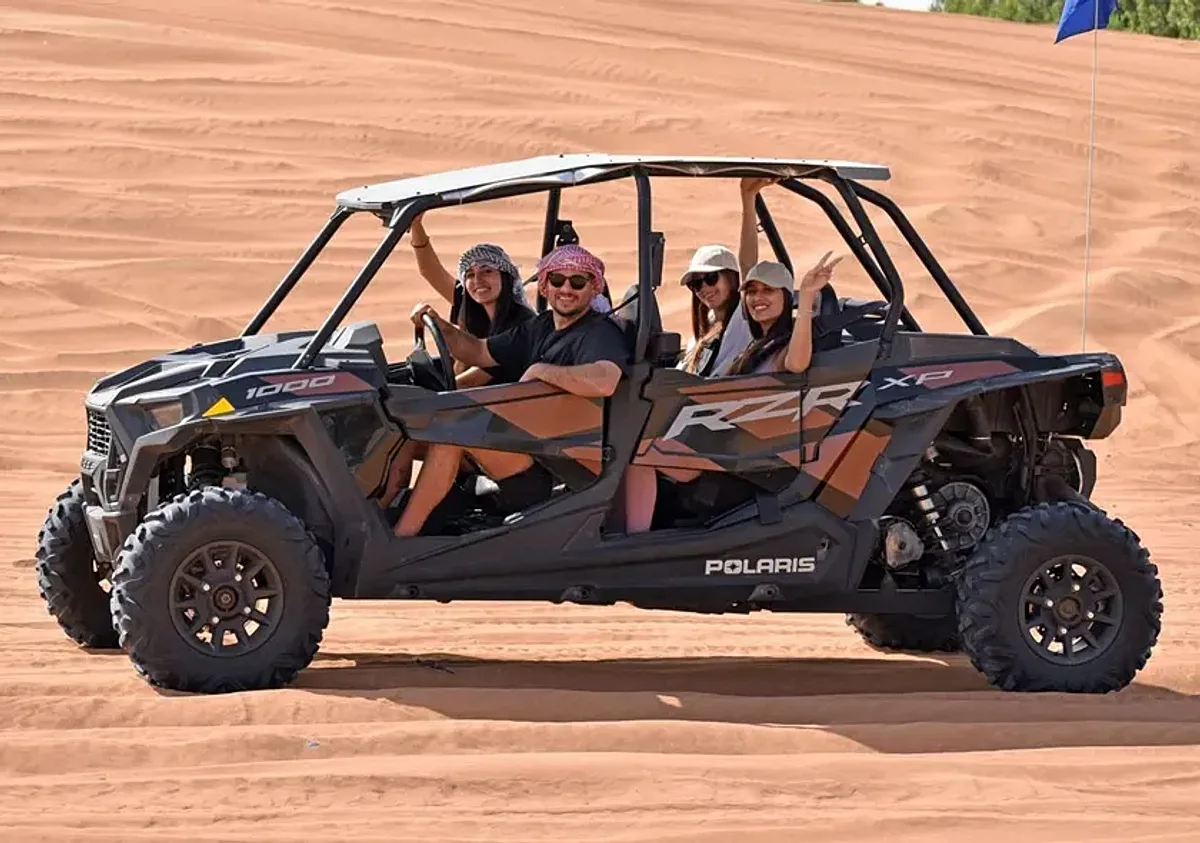
Safety should never be an afterthought when choosing a dune buggy. A proper buggy includes a sturdy roll cage that protects you if the vehicle tips over. Check that the roll cage is made of welded steel or aluminum and that it extends above your head. Seat belts are essential. A four-point or five-point harness keeps you secured in the seat during sharp turns or sudden stops. Some buggies also come with a kill switch that shuts off the engine if you are thrown from the seat. That feature can prevent the buggy from continuing driverless into a dune or obstacle.
A safety helmet and goggles are non-negotiable. Sand flies up constantly, and without goggles, your vision will be impaired within minutes. A helmet protects your head in case of a rollover or collision with a dune. Many guided tours provide these, but if you are renting a buggy independently, make sure the equipment is included or bring your own. Never ride without them, even on a short trip.
Guided Tours vs. Independent Riding
For most first-time riders, a guided tour is the safest and most enjoyable option. A guided tour provides a lead vehicle that knows the best routes and can avoid hazards like hidden rocks or steep drop-offs. Guides also carry communication equipment and emergency supplies. If you are unfamiliar with the desert, following a guide reduces the risk of getting lost or stuck. Many guided tours include a briefing on how to handle the buggy on sand, which is helpful even if you have off-road experience elsewhere.
Independent riding gives you more freedom to explore at your own pace. It requires a good sense of direction, knowledge of the terrain, and a reliable vehicle. If you choose to ride independently, stick to areas with visible tracks and avoid going alone. A second buggy or a support vehicle can help if you get stuck or need assistance. Always carry extra water, a map or GPS device, and a way to call for help.
What to Look for in a Rental Buggy
If you plan to rent a buggy rather than bring your own, inspect the vehicle before you hand over any payment. Look for signs of wear like cracked tires, leaking fluids, or loose bolts. Ask about the maintenance schedule and when the buggy was last serviced. A well-maintained buggy should start easily, idle smoothly, and have no unusual vibrations. Take it for a short test drive on flat ground to check the steering, brakes, and acceleration. If anything feels off, choose a different buggy or a different rental company.
Rental companies often offer different tiers of buggies. The cheapest option may be an older model with less power and basic suspension. It might still work on gentle dunes, but it will struggle on challenging terrain. If you want to experience the thrill of climbing tall dunes, invest in a premium buggy with a higher engine capacity and better suspension. The extra cost is worth it for the performance and comfort.
Timing Your Ride
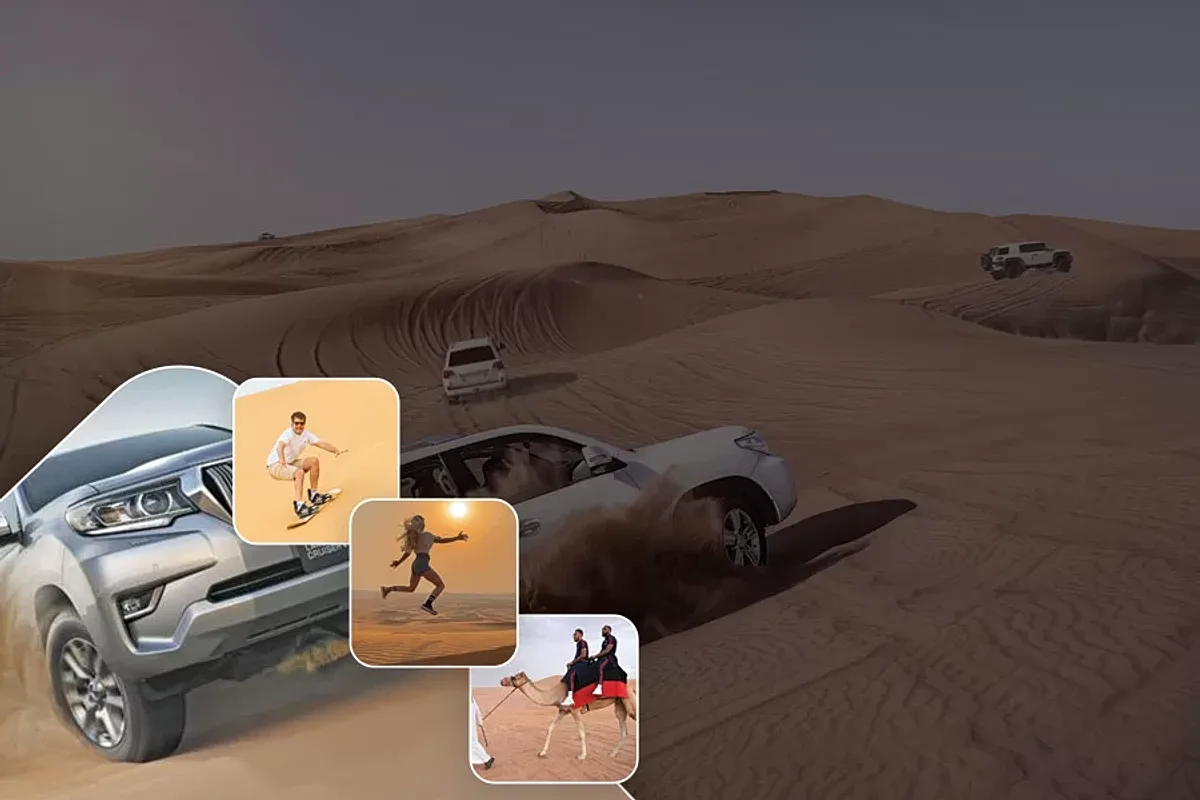
Desert temperatures in Dubai can exceed 40°C during the middle of the day. Riding in the heat drains your energy and puts extra strain on the buggy’s engine. The best time to ride is early morning or late afternoon when temperatures are cooler and the light is softer for visibility. Many riders combine a dune buggy adventure with an evening desert safari dubai, which includes activities like sandboarding, camel rides, and a barbecue dinner under the stars. An evening desert safari dubai usually starts in the late afternoon, so you can enjoy a buggy ride during the cooler part of the day and then move on to other experiences.
Final Practical Checks
Before you set out, confirm that the buggy has a full tank of fuel and that you know how to operate all controls. Check that the tires are inflated to the recommended pressure for sand. If the buggy has a manual transmission, practice shifting in an open area before attempting dunes. Automatic buggies are easier for beginners and let you focus on steering and reading the terrain.
Bring plenty of water, wear long sleeves and trousers to protect against the sun and sand, and apply sunscreen. A small backpack with snacks, a first-aid kit, and a phone in a waterproof case is good to have. Let someone know your planned route and expected return time, especially if you are riding independently.
Choosing the right dune buggy in Dubai comes down to matching the vehicle to the terrain, your skill level, and your group size. A well-chosen buggy makes the difference between a memorable ride across the dunes and a frustrating day stuck in the sand. Take your time to evaluate the options, inspect the equipment, and prioritize safety. With the right preparation, driving a dune buggy through Dubai’s desert is an experience you will not forget.